Bonded warehouses are specialized storage facilities authorized and supervised by customs authorities where imported goods can be stored, manipulated, or undergo manufacturing operations without payment of customs duties and taxes. These warehouses play a critical role in international trade logistics by allowing importers to defer duty payments until goods are released into the domestic market or re-exported to another destination.
The concept of bonded warehousing dates back centuries, originating in major port cities where merchants needed secure storage for goods awaiting sale or transshipment. Today, bonded warehouses are sophisticated logistics hubs that serve as strategic nodes in global supply chains, offering businesses significant financial and operational advantages in managing their international trade operations.
Understanding how bonded warehouses work, the different types available, and the regulations governing their operation is essential for any business involved in importing, exporting, or international distribution. This comprehensive guide covers everything you need to know about bonded warehouses and customs warehousing procedures.
Definition and Legal Framework of Bonded Warehouses
A bonded warehouse is a building or other secured area in which dutiable goods may be stored, manipulated, or undergo manufacturing operations without payment of duty for up to a specified period. The term "bonded" refers to the bond or guarantee that the warehouse operator posts with customs authorities, ensuring that all applicable duties and taxes will be paid when goods are eventually released for domestic consumption.
The legal framework for bonded warehouses is established through national customs legislation, which is often aligned with international conventions. The World Customs Organization (WCO) provides guidelines through the Revised Kyoto Convention, which sets out standards for customs warehousing procedures. Key legal principles include:
- Customs Supervision: All goods stored in bonded warehouses remain under customs supervision until they are cleared for domestic use, re-exported, or otherwise disposed of in accordance with customs regulations.
- Duty Deferral: Import duties and taxes are suspended while goods remain in the bonded warehouse, providing significant cash flow benefits to importers.
- Security Requirements: Warehouse operators must provide a financial guarantee (bond) to customs authorities, ensuring compliance with all applicable regulations.
- Record Keeping: Detailed records of all goods entering, stored in, and leaving the bonded warehouse must be maintained and made available to customs authorities upon request.
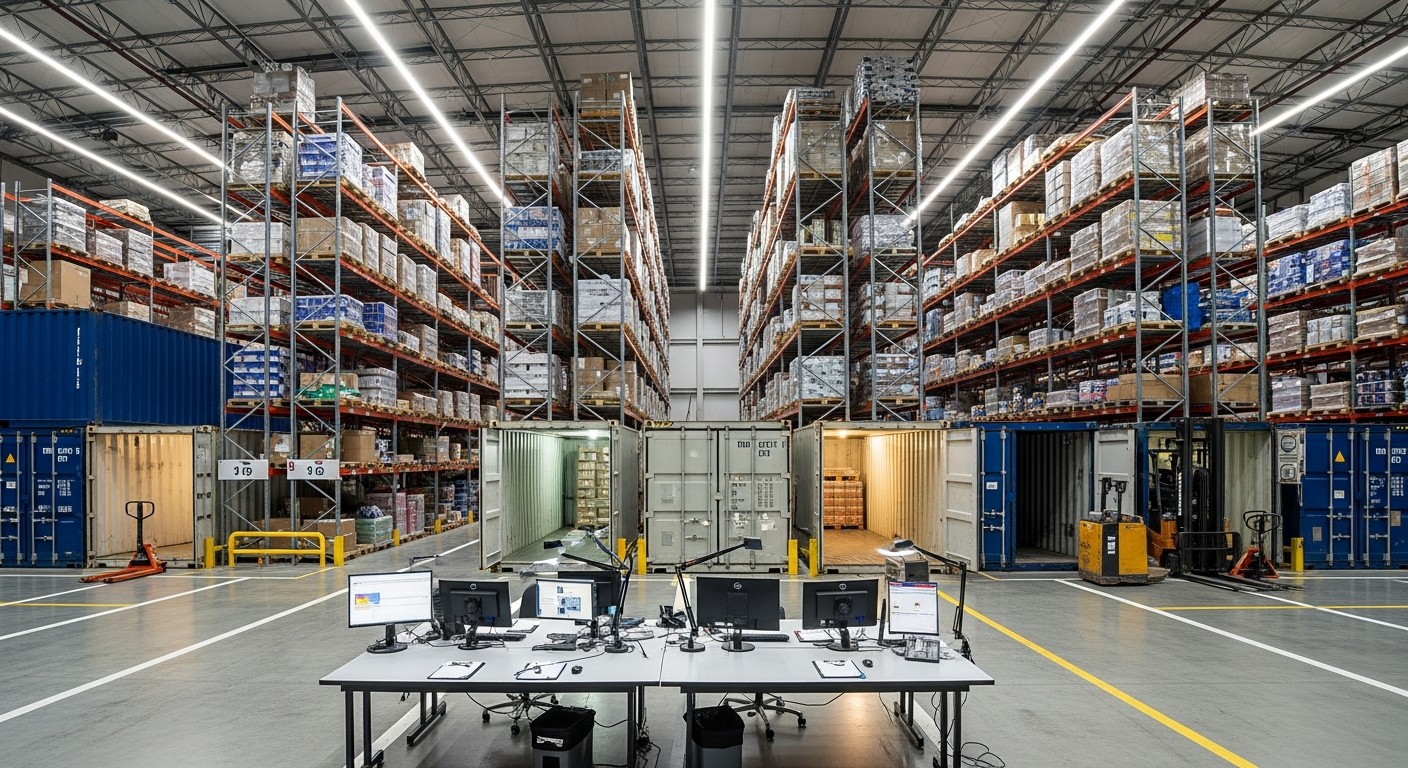
Types of Bonded Warehouses (Type A through F)
Bonded warehouses are classified into several types based on their ownership, operation, and the level of responsibility assumed by the warehouse keeper and the depositor. The European Union customs code, which serves as a model for many countries, recognizes six main types:
Type A: Public Warehouse (Warehouse Keeper Responsibility)
A Type A bonded warehouse is a public facility where the warehouse keeper (operator) assumes full responsibility for ensuring that the goods are not removed from customs supervision. The warehouse keeper is liable for any duties that become payable if goods are lost, damaged, or unaccounted for. This type is commonly used by logistics companies, freight forwarders, and port authorities that offer warehousing services to multiple importers.
Key characteristics of Type A warehouses include shared liability between the warehouse keeper and depositor, professional management by experienced logistics operators, and availability of value-added services such as sorting, repacking, and labeling.
Type B: Public Warehouse (Depositor Responsibility)
In a Type B bonded warehouse, the responsibility for customs compliance rests primarily with each individual depositor rather than the warehouse keeper. The depositor is responsible for ensuring that the goods remain under customs control and for paying any duties that become due. This type is less common but is used in situations where multiple independent traders store goods in the same facility.
Type C: Private Warehouse
A Type C bonded warehouse is a private facility used exclusively by the warehouse keeper for storing their own imported goods. The warehouse keeper is both the operator and the sole depositor. This type is ideal for large importers who regularly bring in significant volumes of goods and need dedicated storage space under customs supervision.
Private warehouses offer greater control over inventory management, security, and handling procedures. However, they require significant investment in facilities, security systems, and compliance infrastructure.
Type D: Private Warehouse (Goods Value at Entry)
Type D is a variation of the private warehouse where customs duties are assessed based on the type, customs value, and quantity of the goods at the time they were placed in the warehouse, rather than at the time of release. This can be advantageous when commodity prices fluctuate, as importers can lock in duty assessments at potentially lower values.
Type E: Private Premises Warehouse
A Type E bonded warehouse allows goods to be stored at the importer's own premises without the need for a dedicated warehouse facility. This type is authorized for trusted traders who have demonstrated a strong track record of customs compliance. The goods are stored under customs supervision at the importer's factory, distribution center, or other business premises.
Type E authorization is particularly beneficial for manufacturers who import raw materials or components for use in their production processes. It eliminates the need to transport goods to a separate bonded facility, reducing logistics costs and transit times.
Type F: Public Warehouse (Customs Operated)
Type F bonded warehouses are operated directly by customs authorities. These facilities are typically used for goods that have been seized, abandoned, or are awaiting customs clearance decisions. While less common for commercial use, Type F warehouses serve an important role in the customs enforcement system.
Public vs. Private Bonded Warehouses
The choice between a public and private bonded warehouse depends on several factors, including the volume of imports, the frequency of shipments, the nature of the goods, and the importer's operational requirements.
Public Bonded Warehouses
Public bonded warehouses are operated by third-party logistics providers and are available for use by any importer. They offer several advantages:
- No Capital Investment: Importers do not need to invest in their own warehouse facilities, security systems, or compliance infrastructure.
- Flexibility: Users can scale their storage needs up or down based on seasonal demand or business cycles.
- Professional Management: Experienced warehouse operators handle all aspects of customs compliance, inventory management, and goods handling.
- Shared Costs: Operating costs are spread across multiple users, making public warehouses cost-effective for smaller importers.
- Value-Added Services: Many public warehouses offer additional services such as quality inspection, labeling, repackaging, and distribution.
Private Bonded Warehouses
Private bonded warehouses are dedicated facilities operated by and for a single importer. They are suitable for businesses with:
- High Volume: Large and consistent import volumes that justify the cost of operating a dedicated facility.
- Specialized Requirements: Goods that require specialized storage conditions, such as temperature control, humidity management, or hazardous materials handling.
- Security Concerns: High-value goods that require enhanced security measures beyond what a public warehouse can provide.
- Integrated Operations: Manufacturing or processing operations that benefit from having raw materials stored on-site under bond.
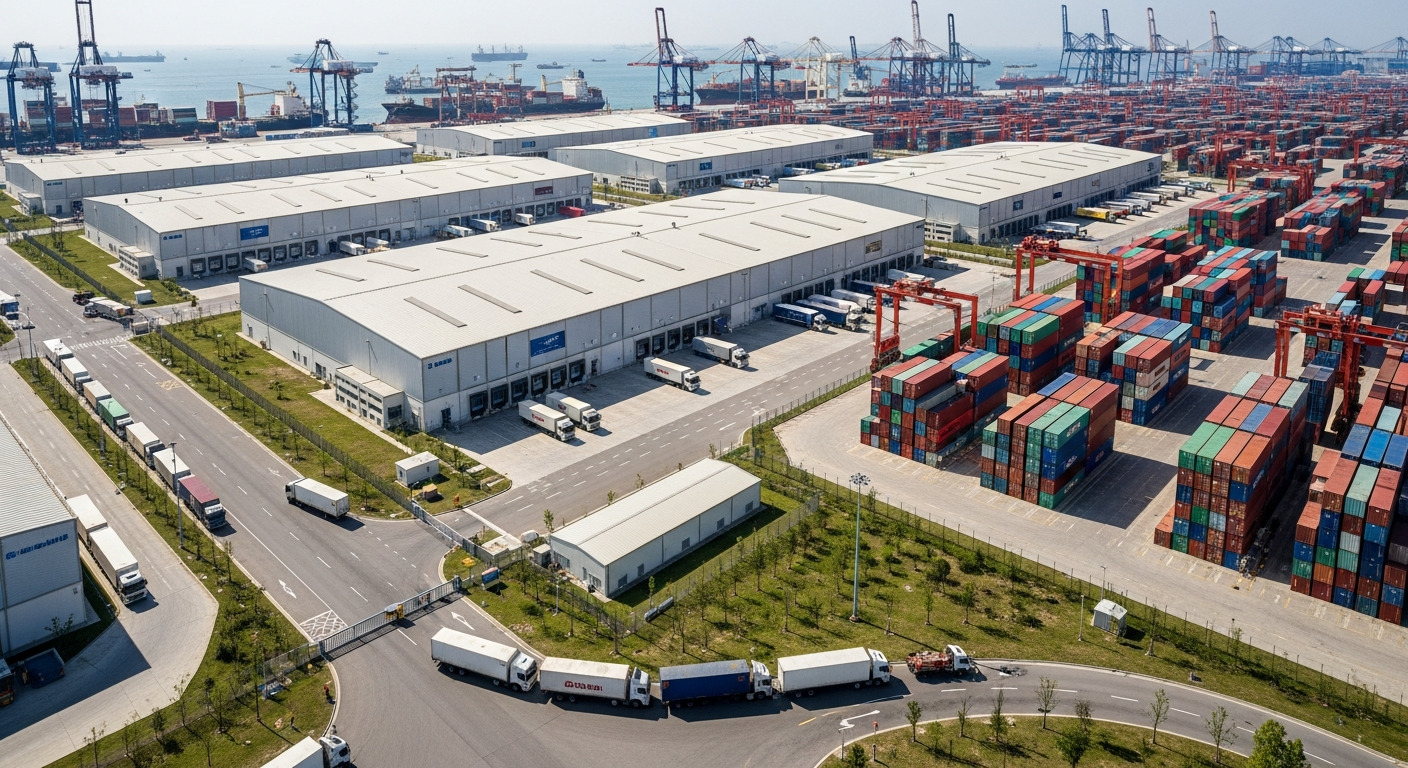
Requirements for Opening a Bonded Warehouse
Establishing a bonded warehouse requires meeting a comprehensive set of regulatory, physical, and financial requirements set by customs authorities. The specific requirements vary by jurisdiction, but generally include the following:
Application and Authorization
- Formal Application: Submit a detailed application to the relevant customs authority, including business information, proposed warehouse location, types of goods to be stored, and operational procedures.
- Business Registration: The applicant must be a legally registered business entity with a valid tax identification number and customs registration.
- Compliance History: Customs authorities review the applicant's track record of customs compliance, including any history of violations, penalties, or smuggling investigations.
- Financial Standing: Demonstrate adequate financial resources to operate the warehouse and meet potential duty obligations.
Physical Requirements
- Secure Premises: The warehouse must have adequate physical security measures, including fencing, locked access points, security cameras, and alarm systems.
- Separate Storage: Bonded goods must be stored separately from domestic goods, with clear demarcation and labeling.
- Customs Access: The facility must provide customs officers with unrestricted access for inspections and audits at any time during business hours.
- Record Systems: Computerized inventory management systems capable of tracking all movements of bonded goods in real-time.
- Environmental Compliance: The warehouse must meet all applicable environmental, health, and safety regulations.
Financial Guarantee (Bond)
The warehouse operator must provide a financial guarantee to customs authorities in the form of a customs bond. This bond serves as security for the payment of duties and taxes on goods stored in the warehouse. The bond amount is typically calculated based on the maximum value of goods that can be stored at any given time and the applicable duty rates. The bond may be provided through a surety company, bank guarantee, or cash deposit.
Customs Declarations and Procedures
Operating a bonded warehouse involves specific customs declaration procedures at each stage of the warehousing process:
Entry of Goods into the Warehouse
When goods arrive at a bonded warehouse, the importer or their customs broker must file a customs entry declaration placing the goods under the customs warehousing procedure. This declaration includes details such as the goods description, quantity, value, origin, and tariff classification. Customs authorities may inspect the goods to verify the declaration before authorizing their placement in the warehouse.
Storage and Handling
While goods are stored in the bonded warehouse, certain operations may be permitted without triggering duty obligations. These typically include:
- Inventory checks and stock counts
- Preservation and maintenance activities
- Quality inspection and testing
- Labeling, marking, and packaging changes
- Sorting, grading, and consolidation
- Simple assembly operations (in some jurisdictions)
Release from the Warehouse
Goods can be released from a bonded warehouse through several procedures:
- Release for Free Circulation: The importer pays all applicable duties and taxes, and the goods are cleared for domestic consumption.
- Re-export: Goods are shipped to another country without payment of domestic duties, requiring an export customs declaration.
- Transfer to Another Bonded Facility: Goods can be transferred to another bonded warehouse or free trade zone under customs supervision.
- Destruction Under Customs Supervision: Damaged or unsaleable goods may be destroyed under customs supervision, potentially reducing or eliminating duty obligations.
Storage Periods and Time Limits
The maximum period for which goods can be stored in a bonded warehouse varies by country and jurisdiction:
- European Union: Under EU customs law, there is generally no time limit for goods stored in a customs warehouse. However, customs authorities may set a time limit if they consider it necessary.
- United States: Goods may be stored in a bonded warehouse for up to 5 years from the date of importation. After this period, the goods must be exported or destroyed, or duties must be paid.
- United Kingdom: Following Brexit, the UK has maintained a flexible approach to storage periods, generally allowing unlimited storage with periodic reviews.
- Turkey: Goods can typically be stored for up to 3 years in general warehouses, with possible extensions upon application to customs authorities.
- China: The standard storage period is 1 to 2 years, depending on the type of bonded zone and the nature of the goods.
It is important for importers to track storage periods carefully, as exceeding the maximum allowed time can result in penalties, forced sale, or destruction of goods by customs authorities.
Strategic Importance of Bonded Warehouses in Global Trade
Bonded warehouses serve as critical infrastructure in the global supply chain, providing strategic advantages that go beyond simple storage. Their importance can be understood in several dimensions:
Trade Facilitation
Bonded warehouses facilitate international trade by reducing barriers to market entry. Importers can bring goods into a country without immediately committing to the full cost of duties and taxes, allowing them to test market demand, build inventory, and respond to customer orders more efficiently.
Economic Development
Bonded warehouse zones often become hubs of economic activity, attracting investment, creating employment, and stimulating the growth of supporting industries such as transportation, packaging, and financial services. Many countries actively promote bonded warehousing as part of their trade facilitation and economic development strategies.
Supply Chain Optimization
By providing a secure, duty-free storage option close to markets or transportation hubs, bonded warehouses enable businesses to optimize their supply chains. Companies can consolidate shipments from multiple origins, break bulk shipments into smaller lots for distribution, and maintain strategic inventory positions without incurring duty costs on unsold goods.
Re-export and Transit Trade
Bonded warehouses are essential for re-export trade, where goods are imported into a country and then shipped to a third country. Without bonded warehousing, traders would need to pay duties upon import and then seek refunds upon re-export, creating significant administrative burden and cash flow challenges.
"Bonded warehouses are not just storage facilities; they are strategic assets that enable businesses to optimize their global supply chains, manage cash flow, and access international markets with greater flexibility and efficiency."
Advantages of Bonded Warehouses
Businesses that utilize bonded warehouses can benefit from numerous advantages:
- Cash Flow Improvement: By deferring duty and tax payments until goods are released for domestic sale, importers can significantly improve their cash flow and working capital position.
- Duty Avoidance on Re-exports: Goods that are re-exported from a bonded warehouse do not incur domestic customs duties, making bonded warehouses ideal for transit trade and distribution hub operations.
- Reduced Risk: If imported goods are damaged, destroyed, or found to be defective while in bonded storage, the importer may be able to avoid paying duties on those goods.
- Market Testing: Importers can bring goods into the country and test market demand before committing to duty payments, reducing the financial risk of entering new markets.
- Inventory Flexibility: Bonded warehouses allow importers to maintain strategic inventory positions near their target markets without the financial burden of prepaid duties.
- Value-Added Processing: Many bonded warehouses permit certain processing activities such as labeling, packaging, quality testing, and light assembly, adding value to goods before they enter the domestic market.
- Consolidation and Distribution: Importers can consolidate goods from multiple shipments and origins, then distribute them to domestic customers or re-export to other markets as needed.
- Compliance Support: Professional bonded warehouse operators provide expertise in customs compliance, documentation, and regulatory requirements, reducing the administrative burden on importers.
Disadvantages and Challenges
Despite their many benefits, bonded warehouses also present certain challenges and disadvantages:
- Storage Costs: Bonded warehouse storage fees can be higher than standard warehouse rates due to the additional security, compliance, and administrative requirements.
- Regulatory Complexity: Operating within a bonded warehouse requires strict adherence to customs regulations, record-keeping requirements, and reporting obligations, which can be complex and resource-intensive.
- Limited Operations: While some processing activities are permitted, bonded warehouses generally do not allow substantial manufacturing or transformation of goods, limiting their utility for certain business models.
- Bond Costs: The financial guarantee required to operate or use a bonded warehouse represents a cost that must be factored into the overall economics of the operation.
- Inspection Delays: Customs authorities may conduct inspections at any time, which can temporarily disrupt warehouse operations and delay the release of goods.
- Time Limits: In some jurisdictions, goods cannot be stored indefinitely, requiring careful planning to ensure that goods are released or re-exported before storage periods expire.
International Applications and Best Practices
Bonded warehouses are used in various ways across different countries and industries:
Distribution Hub Strategy
Many multinational companies use bonded warehouses in strategic locations as regional distribution hubs. For example, a company might import goods into a bonded warehouse in Singapore or Dubai, and then distribute them to multiple countries in the region without paying duties until the goods reach their final destination. This strategy reduces inventory costs, improves delivery times, and provides flexibility to respond to changing market conditions.
E-Commerce Fulfillment
The growth of cross-border e-commerce has created new applications for bonded warehouses. In China, for example, cross-border e-commerce bonded zones allow foreign companies to pre-position inventory in bonded warehouses near major consumer markets. When an order is placed, goods are released from bond, duties are paid, and the product is delivered directly to the consumer, significantly reducing delivery times compared to international shipping.
Automotive Industry
The automotive industry is a major user of bonded warehousing, storing imported vehicles, parts, and components under bond until they are needed for sale or manufacturing. This allows manufacturers to maintain just-in-time inventory systems while deferring duty payments until parts are actually used in production.
Pharmaceuticals and Healthcare
Bonded warehouses with specialized temperature-controlled facilities are used to store imported pharmaceutical products, medical devices, and healthcare supplies. These facilities must meet both customs requirements and stringent regulatory standards for pharmaceutical storage.
Luxury Goods and High-Value Products
Bonded warehouses are frequently used for storing high-value goods such as fine art, jewelry, wine, and luxury consumer products. These facilities offer enhanced security, climate control, and insurance coverage, while allowing owners to defer significant duty obligations on high-value inventory.
Bonded Warehouses vs. Free Trade Zones
While both bonded warehouses and free trade zones (FTZs) offer duty deferral benefits, there are important differences between the two:
- Scope: Free trade zones are designated geographical areas that may include multiple warehouses, manufacturing facilities, and offices, while bonded warehouses are individual facilities.
- Operations: Free trade zones generally permit a wider range of manufacturing and processing activities compared to bonded warehouses.
- Customs Treatment: Goods in free trade zones are generally considered to be outside the customs territory, while goods in bonded warehouses remain within the customs territory but under customs supervision.
- Regulation: Free trade zones may offer additional benefits such as relaxed foreign investment rules, tax incentives, and simplified regulatory procedures.
Future Trends in Bonded Warehousing
The bonded warehousing industry is evolving in response to technological advancements, changing trade patterns, and new regulatory requirements:
- Digital Customs: The adoption of electronic customs declarations, blockchain-based documentation, and automated compliance systems is streamlining bonded warehouse operations and reducing administrative costs.
- Automation and Robotics: Advanced warehouse management systems, automated storage and retrieval systems, and robotic handling equipment are improving efficiency and accuracy in bonded warehouses.
- Green Warehousing: Sustainability initiatives, including energy-efficient buildings, renewable energy systems, and carbon-neutral logistics, are becoming increasingly important in bonded warehouse operations.
- Cross-Border E-Commerce: The continued growth of international e-commerce is driving demand for bonded warehouse facilities near major consumer markets, particularly in Asia-Pacific regions.
- Integrated Logistics Platforms: Bonded warehouses are increasingly being integrated into comprehensive logistics platforms that offer end-to-end supply chain visibility, from manufacturer to end consumer.
Bonded warehouses remain an indispensable tool in international trade, offering businesses the flexibility, financial benefits, and strategic advantages needed to compete effectively in the global marketplace. Whether you are a small importer looking to manage cash flow or a multinational corporation optimizing your global distribution network, understanding and leveraging bonded warehouse facilities can significantly enhance your trade operations.