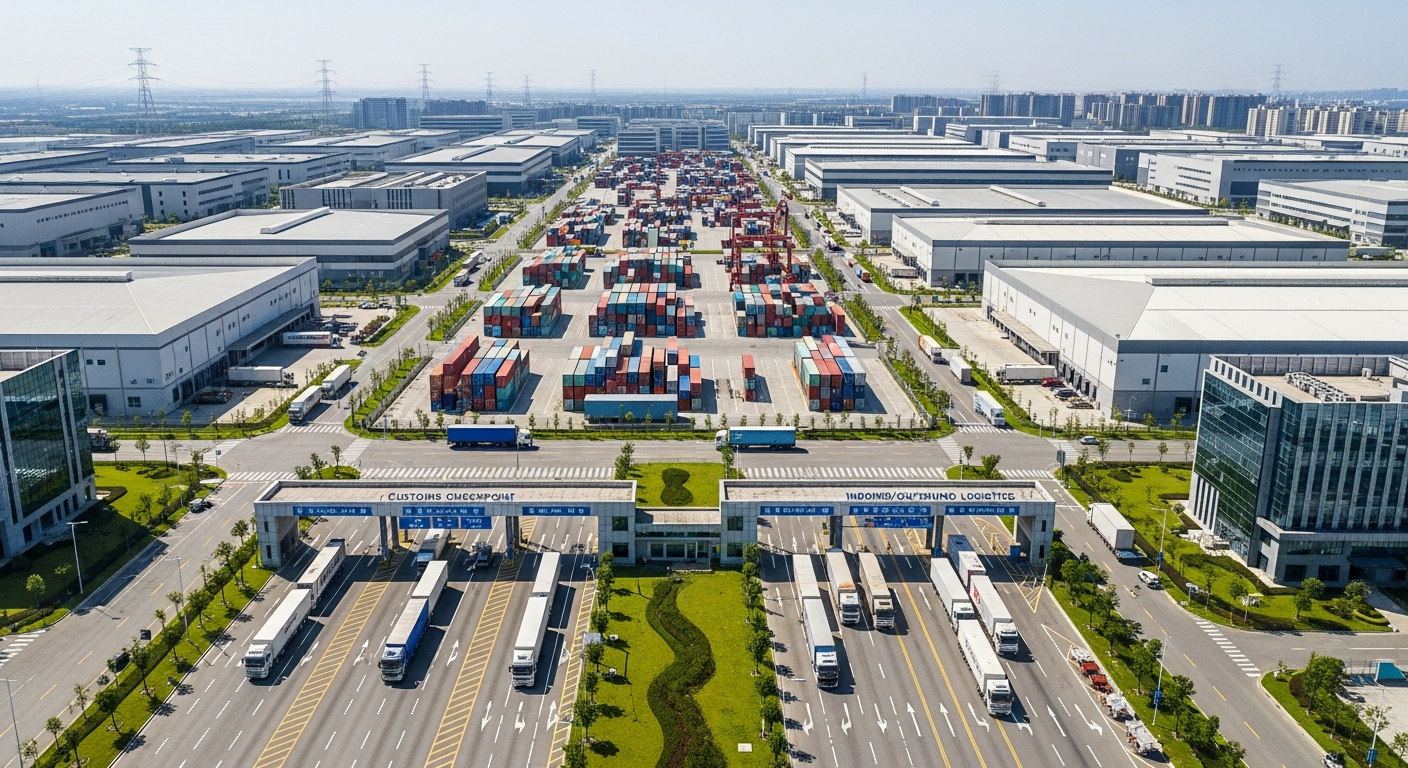
Free trade zones (FTZs) are specially designated geographic areas within a country's borders where goods can be imported, stored, handled, manufactured, and re-exported under specific customs regulations that are generally more liberal than those prevailing in the country's main customs territory. These zones are designed to attract foreign direct investment, promote exports, create employment opportunities, and stimulate economic development by offering a range of fiscal and regulatory incentives to businesses operating within their boundaries.
Also known by various names including foreign trade zones, free zones, export processing zones, and special economic zones, FTZs have become an integral part of the global trade infrastructure. Today, there are over 5,000 free trade zones operating across more than 140 countries, collectively employing tens of millions of workers and handling a substantial portion of global trade flows. From massive industrial complexes in China and the UAE to specialized technology parks in Singapore and South Korea, free trade zones play a critical role in facilitating international commerce and economic growth.
History and Evolution of Free Trade Zones
The concept of designated trade areas with special privileges dates back centuries. The earliest free ports were established in the Mediterranean during the Roman Empire and later flourished in medieval Italian city-states such as Genoa, Venice, and Livorno, where merchants were granted exemptions from local taxes and tariffs to encourage trade. The modern concept of free trade zones began to take shape in the 19th century, with the establishment of free ports in Hamburg (1888), Copenhagen, and other European trading centers.
The Shannon Free Zone in Ireland, established in 1959, is widely regarded as the first modern free trade zone. Created to generate employment and economic activity around Shannon Airport, it became a model for FTZ development worldwide. The success of Shannon inspired other countries to create their own zones, leading to rapid proliferation throughout the 1960s and 1970s, particularly in developing countries seeking to attract foreign investment and boost exports.
The establishment of China's Special Economic Zones in 1980, starting with Shenzhen, marked a transformative moment in FTZ history. China's SEZs demonstrated how free trade zones could serve as laboratories for economic reform and catalysts for national economic transformation. The Shenzhen SEZ grew from a small fishing village to one of the world's most dynamic cities, and China's experience inspired a new wave of FTZ development across Asia, the Middle East, and Africa.
In recent decades, free trade zones have evolved beyond simple duty-free warehousing and manufacturing to encompass sophisticated activities including financial services, technology development, healthcare, education, and creative industries. Modern FTZs are increasingly designed as comprehensive business ecosystems that provide end-to-end support for companies operating in the global marketplace.
Purposes and Objectives of Free Trade Zones
Free trade zones are established by governments to achieve a variety of economic and strategic objectives. Understanding these purposes helps businesses evaluate whether operating in an FTZ aligns with their strategic goals.
Attracting Foreign Direct Investment (FDI)
One of the primary objectives of FTZs is to attract foreign investment by offering a business-friendly environment with competitive incentives. The special tax rates, streamlined regulations, and modern infrastructure available in FTZs make them attractive locations for multinational corporations seeking to establish regional operations, manufacturing facilities, or distribution centers. Many developing countries use FTZs as their primary tool for attracting FDI and integrating into global value chains.
Promoting Exports and Trade
FTZs facilitate export-oriented manufacturing and trade activities by removing or reducing the customs duties, taxes, and regulatory barriers that can increase the cost and complexity of international trade operations. By allowing businesses to import raw materials and components duty-free for processing and re-export, FTZs help companies maintain competitive pricing in international markets and participate more effectively in global supply chains.
Creating Employment
Free trade zones generate significant employment opportunities, particularly in developing countries. The industrial and commercial activities within FTZs create direct jobs in manufacturing, logistics, services, and administration, as well as indirect employment in supporting industries and local communities. Some of the world's largest FTZs employ hundreds of thousands of workers, making them major contributors to national employment.
Technology Transfer and Skills Development
The presence of multinational corporations in FTZs facilitates the transfer of technology, management practices, and technical skills to the host country. Workers employed in FTZ facilities gain exposure to advanced manufacturing techniques, quality management systems, and international business practices. This knowledge transfer has long-term benefits for the broader economy, as skilled workers and managers move between FTZ companies and domestic firms.
Economic Diversification
Many countries use FTZs as tools for economic diversification, particularly those that are heavily dependent on natural resources or a narrow range of industries. By creating specialized zones for different sectors such as technology, financial services, healthcare, or creative industries, governments can develop new economic pillars and reduce vulnerability to commodity price fluctuations or sector-specific downturns.
Tax Advantages and Incentives in Free Trade Zones
The fiscal incentives offered by free trade zones are among their most attractive features for businesses. While the specific benefits vary by country and zone, the following are the most common tax advantages available to FTZ operators:
Customs Duty Exemptions
Goods imported into an FTZ are typically exempt from customs duties as long as they remain within the zone or are re-exported. This is particularly beneficial for companies that import raw materials or semi-finished goods for manufacturing or processing activities. Customs duties are only assessed when goods are transferred from the FTZ into the domestic customs territory, and then only on the finished product at the applicable rate, which may be lower than the combined duties on individual components.
Corporate Tax Benefits
Many FTZs offer reduced corporate income tax rates or tax holidays for specified periods. These can range from complete tax exemption for the first several years of operation (commonly 5-15 years) to permanently reduced rates compared to the standard national rate. Some zones offer graduated tax benefits, with the highest incentives in the early years and gradually increasing rates as the business matures.
Value Added Tax (VAT) Exemptions
Transactions within FTZs are often exempt from value added tax or goods and services tax. This includes purchases of equipment, raw materials, and services used in FTZ operations. VAT exemptions reduce the cash flow burden on businesses and simplify tax compliance for companies engaged in complex international supply chains.
Personal Income Tax Benefits
Some FTZs offer personal income tax exemptions or reductions for employees working within the zone, particularly for expatriate workers with specialized skills. These benefits help FTZ companies attract and retain qualified international talent by increasing the net compensation available to employees without increasing the company's labor costs.
Withholding Tax Exemptions
Dividends, interest, and royalties paid by FTZ companies to foreign shareholders or partners may be exempt from withholding tax in certain jurisdictions. This makes FTZs attractive for holding company structures and intellectual property management, as profits can be repatriated with minimal tax leakage.
Foreign Exchange Flexibility
Companies operating in FTZs typically enjoy greater freedom in managing foreign currency transactions. This may include the ability to maintain foreign currency accounts, freely convert between currencies, and repatriate profits without the restrictions that may apply in the broader economy. This flexibility is particularly valuable in countries with exchange controls or volatile currencies.
Global Free Trade Zone Examples
Examining successful free trade zones around the world provides valuable insights into how these zones are structured and what makes them effective. Each zone has unique characteristics tailored to its country's economic goals and competitive advantages.
Jebel Ali Free Zone (JAFZA) - United Arab Emirates
The Jebel Ali Free Zone, established in 1985 in Dubai, is one of the world's largest and most successful FTZs. Home to over 8,700 companies from more than 140 countries, JAFZA offers 100% foreign ownership, zero corporate and personal income taxes, full repatriation of capital and profits, and no currency restrictions. The zone is strategically located adjacent to Jebel Ali Port, one of the world's largest container ports, and Al Maktoum International Airport, providing excellent connectivity to global markets. JAFZA accounts for approximately 32% of Dubai's total FDI and contributes significantly to the emirate's GDP.
Shanghai Free Trade Zone - China
The China (Shanghai) Pilot Free Trade Zone, established in 2013, represented a major milestone in China's ongoing economic reform and opening-up strategy. The zone was designed as a testing ground for financial liberalization, regulatory reform, and trade facilitation measures that could later be extended to the broader economy. Key features include simplified company registration procedures, negative list management for foreign investment, cross-border RMB settlement services, and relaxed capital account controls. The Shanghai FTZ has since been expanded several times and has served as the template for numerous additional pilot FTZs across China.
Singapore Free Trade Zones
Singapore operates several free trade zones strategically located near its port and airport, reflecting the city-state's position as a major global trade and logistics hub. The Singapore FTZs allow goods to be imported, stored, repacked, and transshipped without payment of customs duties or goods and services tax (GST). Singapore's FTZs are known for their efficiency, advanced technology infrastructure, and seamless integration with the country's world-class port and airport facilities. The zones handle a significant portion of Singapore's massive entrepot trade, which includes refined petroleum products, electronics, and pharmaceutical products.
Incheon Free Economic Zone - South Korea
The Incheon Free Economic Zone (IFEZ), established in 2003, is one of South Korea's most ambitious economic development projects. Located adjacent to Incheon International Airport, one of Asia's busiest airports, IFEZ encompasses three districts: Songdo, Yeongjong, and Cheongna. The zone offers foreign investors a comprehensive package of incentives including corporate tax reductions, customs duty exemptions, and relaxed regulations. Songdo International Business District, a centerpiece of IFEZ, has been developed as a smart city with cutting-edge infrastructure, attracting major international companies and educational institutions.
Colon Free Zone - Panama
The Colon Free Zone, established in 1948, is the largest free trade zone in the Western Hemisphere and the second largest in the world after Hong Kong. Located at the Atlantic entrance of the Panama Canal, the zone serves as a major distribution hub for merchandise flowing between North America, South America, the Caribbean, and beyond. The CFZ specializes in wholesale trade, with goods imported primarily from Asia and distributed throughout Latin America. Companies in the zone benefit from duty-free import and re-export of goods, low operating costs, and Panama's strategic geographic location.
Shannon Free Zone - Ireland
The Shannon Free Zone, established in 1959, holds the distinction of being the world's first modern free trade zone. Originally created to support the economic development of the Shannon region following the anticipated decline in transatlantic aviation refueling stops, the zone successfully attracted manufacturing and service companies from around the world. Today, Shannon Free Zone hosts approximately 170 companies employing over 8,000 people across sectors including aviation, technology, manufacturing, and international services. Its success demonstrated the viability of the FTZ concept and inspired similar developments worldwide.
Setting Up Business in a Free Trade Zone
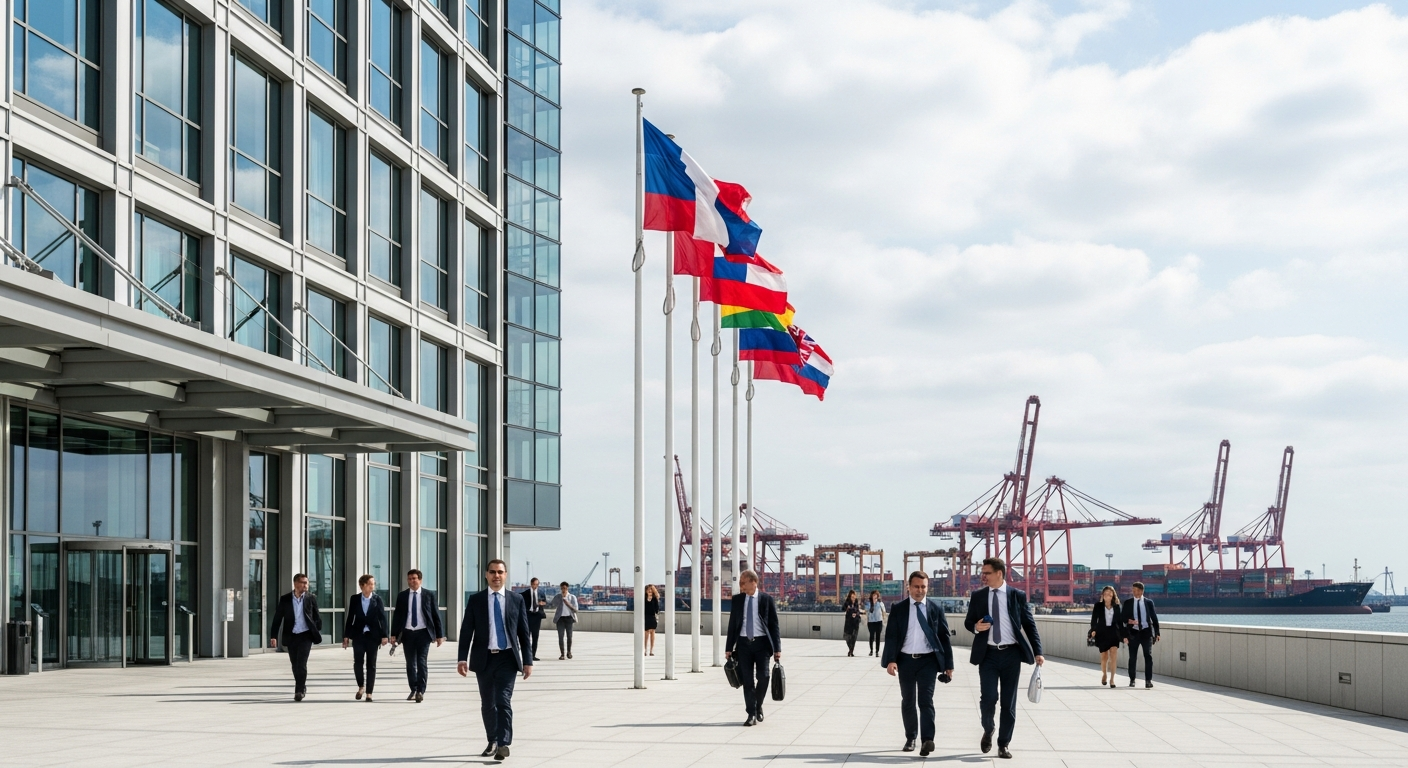
Establishing a business in a free trade zone requires careful planning and adherence to the zone's specific registration and licensing requirements. While the exact process varies by zone and country, the following steps provide a general framework for setting up operations in an FTZ.
Step 1: Research and Zone Selection
The first step is to research available FTZs and evaluate which zone best aligns with your business objectives. Key factors to consider include the zone's geographic location and market access, available incentives and their duration, permitted business activities, infrastructure quality and availability, costs of setup and operation, regulatory environment, and the quality of zone management and support services.
Step 2: Company Registration
Most FTZs require companies to register as zone entities, which involves submitting a business plan, proof of financial capability, and various corporate documents. The registration process may include review by the zone authority, relevant government ministries, and in some cases, investment promotion agencies. Processing times vary from a few days in efficient zones like JAFZA to several months in more bureaucratic environments.
Step 3: Obtaining Operating Licenses
Depending on the type of business activity, companies may need to obtain specific operating licenses or permits. These can include trading licenses for import-export activities, industrial licenses for manufacturing operations, service licenses for professional and consulting services, and specialized licenses for activities such as financial services, healthcare, or education. Each license type has its own requirements, fees, and renewal procedures.
Step 4: Securing Physical Facilities
FTZ operators need to secure appropriate physical facilities for their operations. Most zones offer a range of options including ready-built offices, warehouses, factory shells, and land for custom-built facilities. The choice depends on the nature of the business, the scale of operations, and the company's growth plans. Lease terms, rental rates, and build-to-suit options vary significantly between zones.
Step 5: Staffing and Employment
FTZ companies must comply with the zone's employment regulations, which may differ from those in the broader economy. Many zones facilitate the hiring of expatriate workers through streamlined visa and work permit processes. However, some zones also have local content requirements that mandate a minimum percentage of local employees. Understanding and planning for these requirements is essential for successful FTZ operations.
Employment Incentives in Free Trade Zones
Free trade zones often provide attractive employment-related incentives designed to help businesses recruit and retain skilled workers while keeping labor costs competitive.
- Streamlined Work Permits: Many FTZs offer simplified and expedited work permit and visa processes for expatriate employees, reducing the time and cost associated with international recruitment.
- Flexible Labor Regulations: Some zones operate under more flexible labor regulations than the host country's general employment laws, allowing companies greater flexibility in hiring, contract terms, and workforce management.
- Training Subsidies: Certain zones provide subsidies or grants for employee training and skills development programs, helping companies build a capable workforce while reducing their training costs.
- Housing and Living Incentives: Some FTZs, particularly in the Middle East and Asia, provide or facilitate access to housing, transportation, and other living amenities for FTZ workers, making the zones attractive places to live and work.
- Social Security Benefits: In some jurisdictions, FTZ employees may benefit from reduced social security contribution rates or alternative social insurance arrangements that provide competitive benefits at lower cost.
Economic Impact of Free Trade Zones
The economic impact of free trade zones extends far beyond their physical boundaries, influencing national economies, regional development patterns, and global trade flows.
Direct Economic Contributions
FTZs make direct contributions to national economies through employment creation, export generation, foreign investment attraction, and government revenue (from zone fees, rents, and taxes on zone-related activities outside the zone). In many developing countries, FTZ exports represent a significant share of total national exports, and FTZ employment accounts for a substantial portion of formal sector jobs.
Spillover Effects
The presence of FTZs generates positive spillover effects on the surrounding economy. These include the development of local supplier networks, improved infrastructure in surrounding areas, knowledge transfer to domestic companies, and the growth of service industries catering to FTZ companies and workers. These spillover effects are often cited as one of the primary justifications for the tax concessions granted to FTZ operators.
Challenges and Criticisms
Despite their benefits, free trade zones face several criticisms. Some argue that FTZ tax incentives result in unfair competition with domestic businesses and erode the national tax base. Labor rights concerns have been raised about working conditions in some FTZs, particularly in garment manufacturing and electronics assembly. Environmental issues may arise when FTZ regulations are less stringent than national standards. Additionally, some FTZs have been criticized for creating economic enclaves with limited linkages to the broader domestic economy.
"Free trade zones are most successful when they are designed not as isolated economic islands, but as catalysts for broader economic development that creates lasting value for the host country and its people."
Free Trade Zones vs. Other Special Economic Areas
Understanding the distinctions between different types of special economic areas helps businesses identify the most suitable operational environment for their activities.
FTZ vs. Special Economic Zone (SEZ)
Special economic zones are generally broader in scope than traditional FTZs. While FTZs primarily focus on trade facilitation and customs benefits, SEZs may encompass a wider range of economic activities including manufacturing, services, technology, and innovation. SEZs often have their own administrative structures, separate legal frameworks, and more comprehensive incentive packages that extend beyond customs and tax benefits to include labor law flexibility, environmental regulation modifications, and land use concessions.
FTZ vs. Export Processing Zone (EPZ)
Export processing zones are a specialized type of FTZ focused specifically on export-oriented manufacturing. EPZs typically require that a high percentage (often 80% or more) of production be exported, with limited access to the domestic market. While EPZs were very popular in the 1970s and 1980s, many have since evolved into more comprehensive FTZs or SEZs that accommodate a broader range of activities including domestic sales.
FTZ vs. Bonded Warehouse
Bonded warehouses are facilities where imported goods can be stored without payment of customs duties until they are released for domestic consumption or re-exported. While bonded warehouses share some characteristics with FTZs (particularly duty deferral), they are much more limited in scope. FTZs typically offer a broader range of permitted activities, more extensive tax incentives, and greater regulatory flexibility than bonded warehouses.
Future Trends in Free Trade Zones
Free trade zones are continuously evolving to meet the changing demands of global commerce. Several key trends are shaping the future of FTZs worldwide.
Digital Free Trade Zones
The concept of digital free trade zones (DFTZs) is emerging as countries seek to promote digital commerce and technology-driven economic activities. Malaysia's Digital Free Trade Zone, launched in partnership with Alibaba Group, is a pioneering example. DFTZs provide physical and virtual infrastructure for e-commerce, digital services, and technology companies, including streamlined customs procedures for small parcels, digital payment systems, and cloud computing facilities.
Sustainability and Green Zones
There is growing emphasis on environmental sustainability in FTZ development. New zones are being designed with green building standards, renewable energy systems, waste management infrastructure, and environmental monitoring capabilities. Some zones are specifically targeting clean technology, renewable energy, and circular economy businesses, creating specialized green FTZs that align economic development with environmental objectives.
Innovation and Technology Hubs
Many countries are transforming traditional FTZs into innovation ecosystems that combine trade facilitation with technology development, research, and education. These zones offer specialized infrastructure such as research laboratories, data centers, and technology incubators alongside traditional trade and logistics facilities. The goal is to move up the value chain from simple manufacturing and assembly to high-value knowledge-intensive activities.
Regional Integration
The development of cross-border FTZ networks and the integration of zone activities with regional trade agreements are emerging trends. The African Continental Free Trade Area (AfCFTA), for example, is expected to drive the development of interconnected FTZs across the African continent, creating new opportunities for regional value chains and intra-African trade. Similarly, initiatives along China's Belt and Road are creating networks of connected special economic zones across Asia, Europe, and Africa.
Blockchain and Trade Digitalization
Free trade zones are increasingly adopting blockchain technology and other digital tools to streamline customs procedures, enhance supply chain transparency, and reduce paperwork. Blockchain-based platforms can automate customs declarations, verify certificates of origin, and track goods movements within and between zones in real time. These technologies promise to significantly reduce the time and cost of FTZ operations while improving compliance and security.
Practical Considerations for FTZ Operations
Businesses considering FTZ operations should carefully evaluate several practical factors to ensure a successful outcome.
- Total Cost Analysis: While FTZ incentives can significantly reduce operating costs, businesses must conduct a comprehensive total cost analysis that includes facility costs, transportation and logistics expenses, labor costs, administrative overhead, and any limitations on domestic market access.
- Regulatory Compliance: Even though FTZs offer simplified regulations, companies must still comply with zone-specific rules, reporting requirements, and international standards. Non-compliance can result in penalties, loss of FTZ status, or other sanctions.
- Exit Strategy: Businesses should consider their exit options before committing to FTZ operations. This includes understanding the process and costs associated with relocating, closing operations, or transferring assets within the zone.
- Intellectual Property Protection: Companies operating in FTZs should ensure adequate protection of their intellectual property, including trademarks, patents, and trade secrets. The level of IP protection and enforcement can vary significantly between zones and countries.
- Political and Economic Stability: The long-term viability of FTZ operations depends on the political and economic stability of the host country. Changes in government policy, economic downturns, or political instability can affect the attractiveness and reliability of FTZ incentives.
- Infrastructure Quality: The quality of infrastructure within and around the FTZ, including transportation links, utilities, telecommunications, and supporting services, is a critical factor in operational efficiency and competitiveness.
Free trade zones continue to play a vital role in the global trading system, offering businesses a range of benefits that can enhance competitiveness, reduce costs, and facilitate access to international markets. As they evolve to embrace digital technologies, sustainability principles, and innovation-driven economic models, FTZs will remain an important strategic option for companies engaged in international trade and investment. By carefully evaluating the available options and aligning FTZ selection with their business objectives, companies can leverage these zones to achieve significant competitive advantages in the global marketplace.